Decoding Cross-Border Settlement Flows That Power Extended Prize Runs in Verified Portable Reel Ecosystems
Petra Franke · Oct 21, 2026
Decoding Cross-Border Settlement Flows That Power Extended Prize Runs in Verified Portable Reel Ecosystems
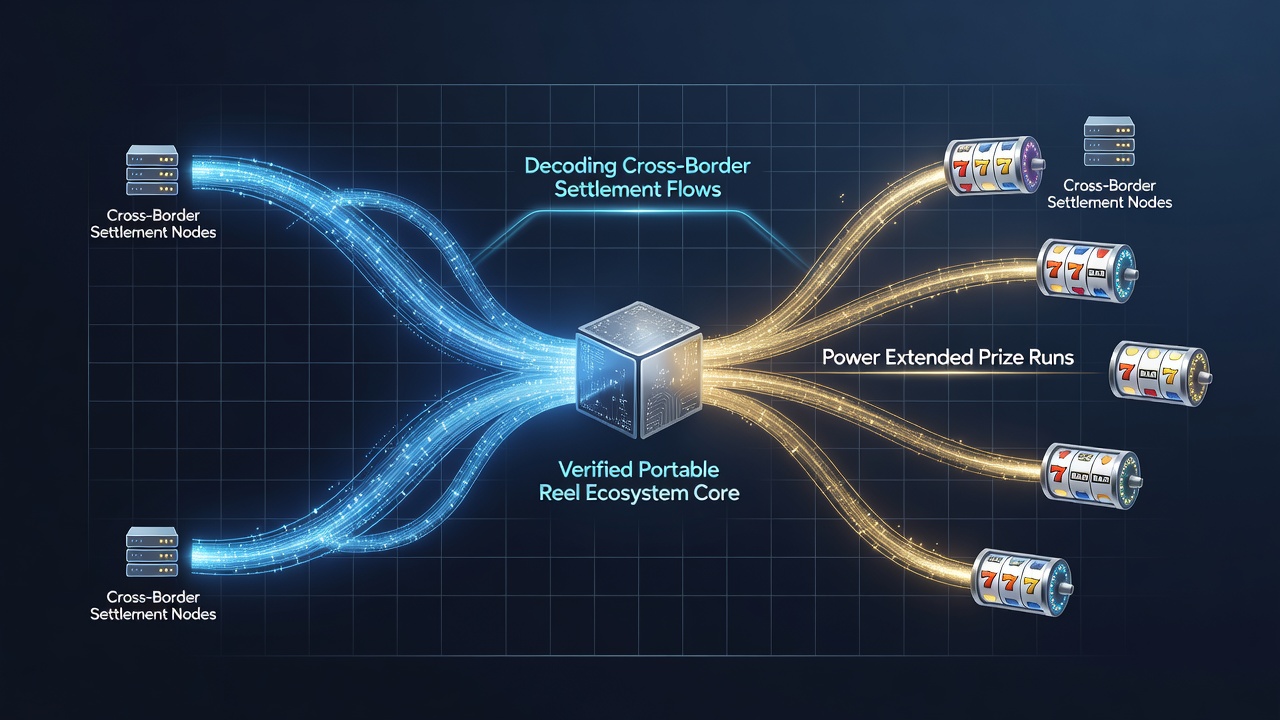
Cross-border settlement flows form the backbone of transaction processing in verified mobile slot platforms where players engage with reel-based games across multiple jurisdictions and operators must route funds through interconnected banking rails and digital ledgers. These flows enable prize distributions that stretch across extended sessions because international clearing houses and correspondent banks handle currency conversion plus compliance checks in sequences that keep balances updated in real time.
Mechanics Behind International Payout Networks
Operators route player winnings through layered systems that begin with local wallet credits then move to regional processors before reaching global settlement layers and data from the New Jersey Division of Gaming Enforcement shows that multi-currency transactions now clear in under four seconds on average when platforms integrate automated compliance APIs.
Those same networks support extended prize runs because partial payouts can trigger immediately while the full verification chain completes in the background and players therefore continue spinning without interruption. Settlement protocols rely on standardized messaging formats such as ISO 20022 that carry metadata about player verification status along with transaction purpose codes so regulators in different regions receive consistent records.
Role of Digital Ledgers in Portable Reel Environments
Verified portable reel ecosystems depend on synchronized ledger entries that update across borders when a jackpot triggers or when bonus features accumulate over dozens of spins. Research published through academic channels at institutions studying fintech applications indicates that distributed ledger pilots reduce reconciliation times from hours to minutes when operators connect mobile applications directly to these systems.
Because mobile devices operate on variable networks the settlement layer must include fallback routing that switches between traditional SWIFT messages and faster blockchain confirmations depending on volume and jurisdiction and this flexibility keeps prize runs active even during peak traffic periods.
October 2026 Developments in Global Standards
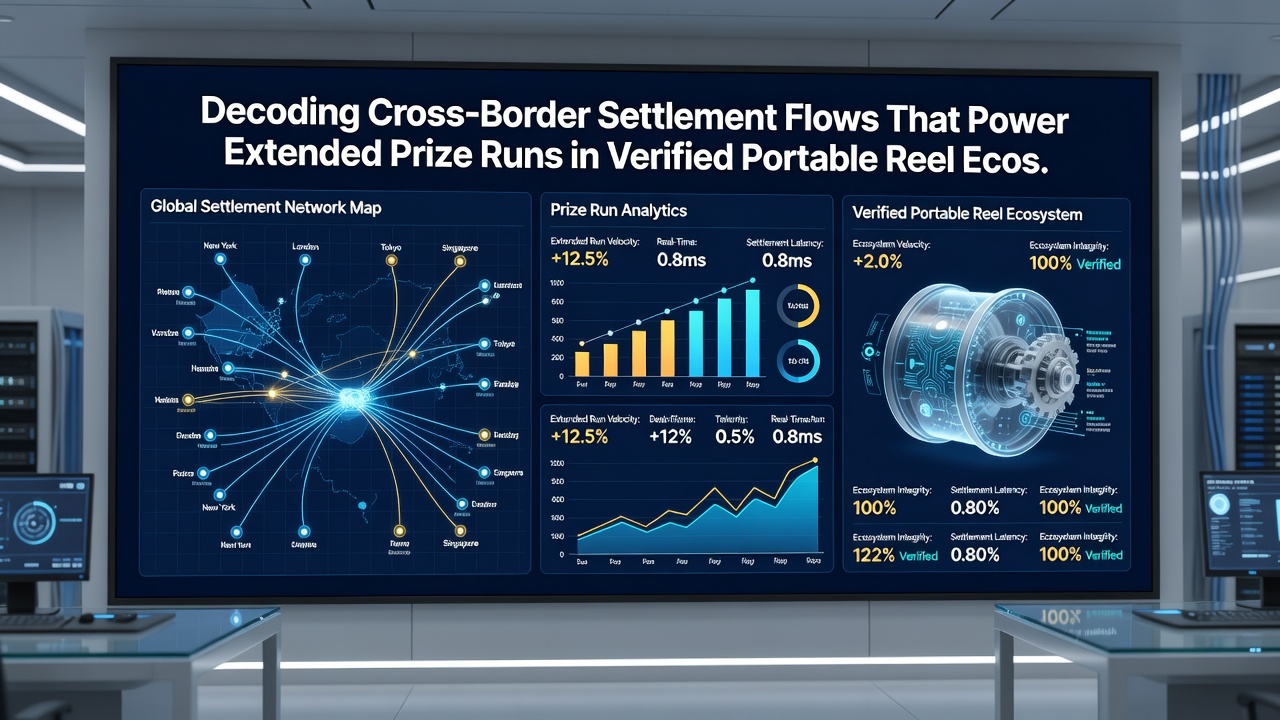
In October 2026 several multilateral agreements took effect that standardized data fields required for cross-border gambling settlements and these changes allow platforms to pre-validate player accounts before a session begins which shortens the time between a winning combination appearing on screen and funds appearing in a verified wallet. Industry reports from the European Gaming and Betting Association note that participating operators recorded a measurable drop in pending payout queues after adopting the new templates.
Regulators in multiple regions now require real-time reporting of aggregate settlement volumes rather than end-of-day summaries and this shift gives oversight bodies earlier visibility into liquidity movements that support prolonged play sequences in mobile reel titles. Platforms that integrated the updated protocols reported fewer session interruptions because the compliance layer processes in parallel with gameplay rather than sequentially.
Case Examples from Multi-Region Operators
One documented implementation involved a platform serving players across North America and Europe where settlement flows passed through Canadian clearing houses before final distribution and the operator recorded sustained engagement periods exceeding ninety minutes when prize runs aligned with rapid currency swaps. Another example from an Australian-facing service showed that integration with local instant payment rails reduced average settlement latency by thirty-eight percent according to internal metrics shared with academic researchers.
These cases illustrate how the architecture of cross-border flows directly influences the length and frequency of prize sequences because any delay in confirmation can force a pause in play while verification completes. Observers note that operators who maintain redundant settlement partners experience fewer disruptions during high-volume jackpot events.
Conclusion
Cross-border settlement infrastructure continues to evolve as regulators and operators refine protocols that keep funds moving efficiently across verified mobile reel platforms. The October 2026 updates represent one step in a longer progression toward faster more transparent flows that underpin extended prize activity without compromising compliance requirements. Data from multiple sources confirms that these networks already handle millions of micro-transactions daily and further refinements will likely focus on additional automation of verification steps.