Navigating Tiered Incentives and Game Diversification in Mobile Cryptocurrency Casinos
Sage Keller · Aug 19, 2026
Navigating Tiered Incentives and Game Diversification in Mobile Cryptocurrency Casinos
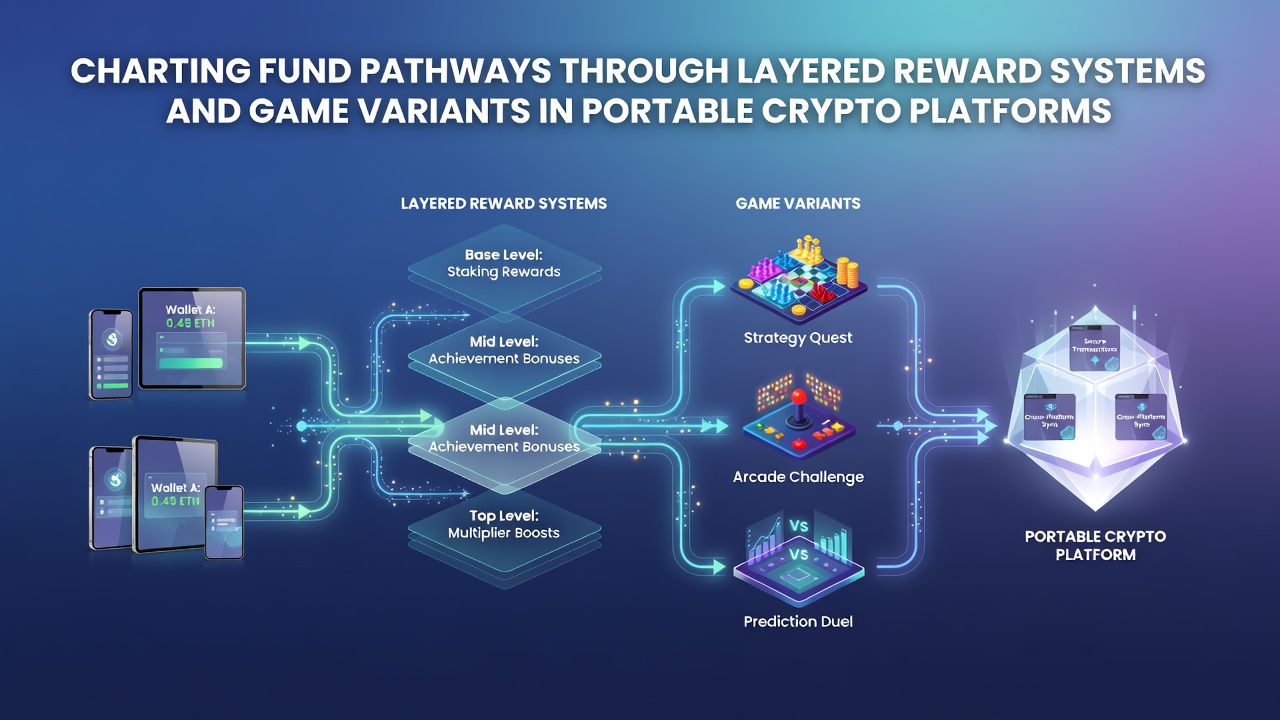
Layered reward systems in portable crypto platforms operate through multiple tiers that players progress through based on deposit volume, play frequency, and specific game participation, while game variants range from standard slot mechanics to interactive live dealer formats adapted for mobile interfaces. Research from industry reports indicates these structures create distinct fund pathways where initial deposits convert into playable balances, then move through bonus stages before reaching withdrawal eligibility.
Core Components of Tiered Reward Architectures
Observers note that basic reward layers typically begin with welcome packages that include deposit matches and free spin allocations, then advance into loyalty programs segmented by activity thresholds such as weekly wager totals or consecutive login streaks. Data shows higher tiers unlock accelerated cashback rates and exclusive game access, with fund movement tracked through transparent blockchain ledgers that record each conversion step from cryptocurrency holdings to bonus credits and back again.
Studies on mobile gaming ecosystems reveal that these tiers often incorporate time-bound challenges where players must complete objectives within set periods to unlock subsequent levels, and this mechanic directs funds along predictable routes from entry deposits toward sustained play sessions. One analysis of platform data from North American operators found average progression times between tiers spanning two to four weeks depending on game selection and stake sizing.
Game Variants and Their Influence on Reward Progression
Portable crypto platforms host diverse game variants including classic three-reel slots, multi-payline video slots, progressive jackpot titles, table game adaptations, and instant-win scratch cards, each contributing differently to reward accumulation. Research indicates slot variants with higher volatility tend to accelerate movement through bonus tiers due to larger single-session wager volumes, whereas lower volatility options support steadier progression across multiple shorter sessions.
Those who've examined transaction logs note that live dealer variants integrated into mobile apps often carry distinct contribution percentages toward wagering requirements, directing funds along slower but more consistent pathways compared to automated slot play. Canadian regulatory filings from the Alcohol and Gaming Commission of Ontario document how variant-specific rules shape overall player fund flows within licensed crypto environments.
Fund Movement Through Deposit, Play, and Cashout Stages
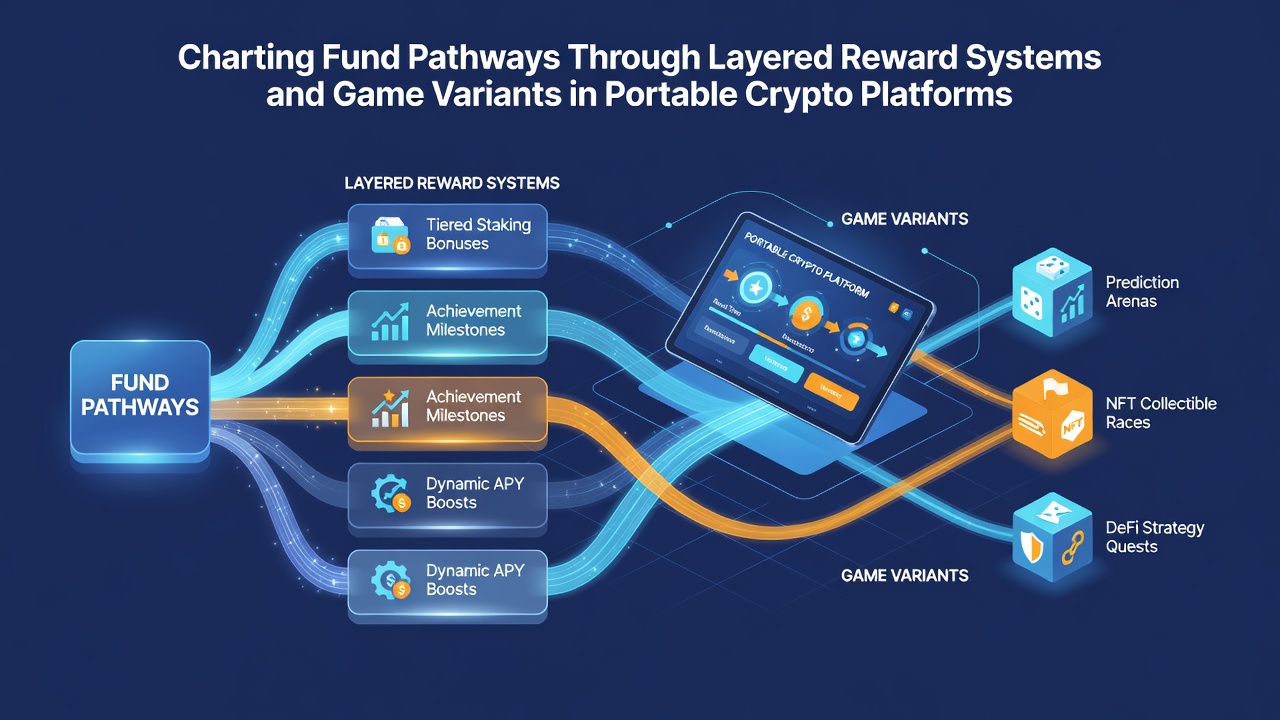
Capital enters these systems primarily via cryptocurrency wallets supporting assets such as Bitcoin, Ethereum, and stablecoins, converting instantly into platform credits that feed initial reward layers. Subsequent stages involve wagering these credits across selected variants, with each bet adjusting the player's position within tier structures according to predefined algorithms. Evidence suggests withdrawal pathways activate only after requirements clear, at which point funds convert back to crypto and transfer to external addresses within minutes on most platforms.
August 2026 figures from multiple platform operators showed increased adoption of multi-asset support, allowing players to switch between cryptocurrencies mid-session without disrupting reward progress. This flexibility alters fund pathways by enabling tactical asset shifts that align with tier bonus multipliers or game variant payout structures.
Integration Patterns Observed Across Platforms
Industry reports compiled by the International Gaming Standards Association highlight how portable apps synchronize reward tracking with real-time blockchain confirmations, reducing discrepancies in fund balances during tier transitions. Game variant libraries expand regularly, and each addition receives specific weighting in reward calculations that influences how quickly players advance through layers.
One documented case involved a European operator adjusting contribution rates for new crash-style games, which redirected player funds toward faster tier climbs in subsequent months. Such adjustments demonstrate how variant introductions reshape established pathways without altering core deposit or cashout mechanics.
Conclusion
Layered reward systems combined with game variant diversity create structured fund pathways in mobile crypto platforms that follow clear sequences from deposit through tier progression to eligible withdrawals. Available data from regulatory bodies and industry associations across regions continues to track these dynamics as platforms refine their architectures in response to transaction volumes and player behavior patterns recorded through 2026.