Navigating Transaction Pathways: How Verified Payment Channels Enhance Session Longevity in Slot-Based Platforms
Devon Schmitt · Aug 15, 2026
Navigating Transaction Pathways: How Verified Payment Channels Enhance Session Longevity in Slot-Based Platforms
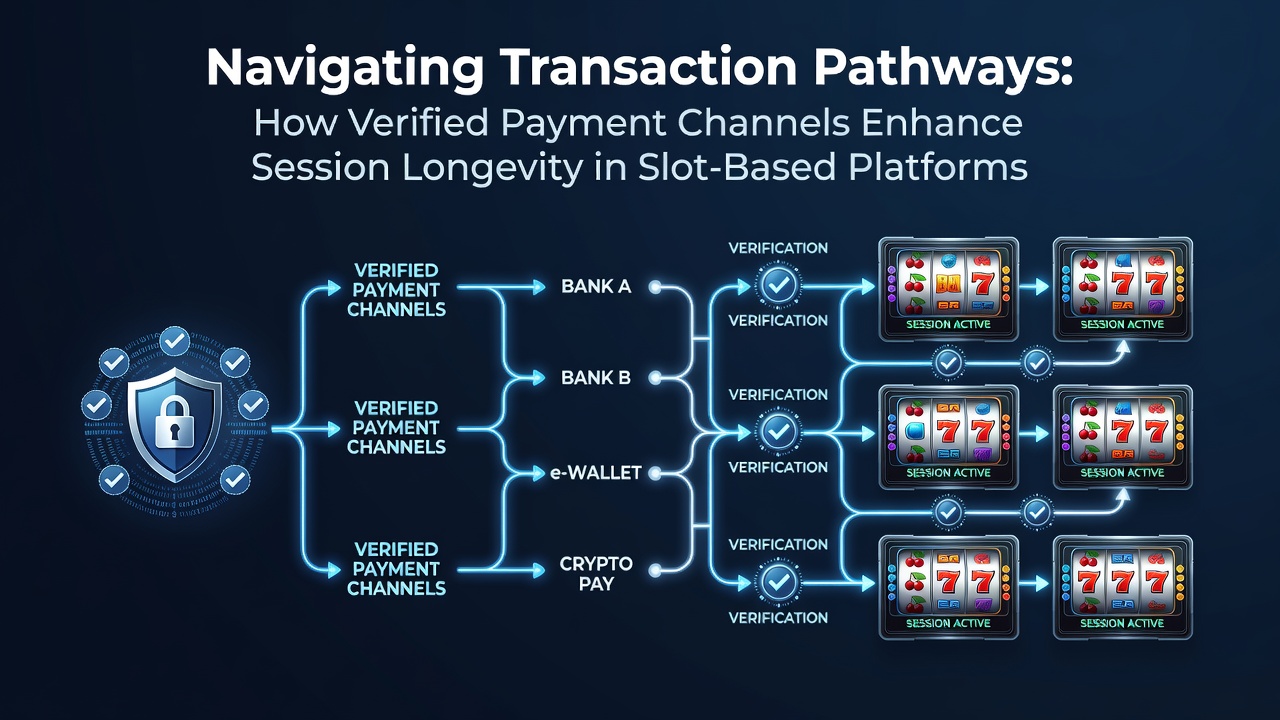
Transaction pathways in slot-based platforms involve the routes that funds take from player accounts through verification systems and into active gameplay, and verified payment channels streamline these routes by confirming identities and processing transfers without repeated interruptions. Data from industry reports shows that platforms using such channels experience fewer dropped connections during deposits and withdrawals, which allows sessions to continue across multiple rounds without the friction that occurs when unverified methods trigger additional checks.
Core Components of Transaction Pathways
Verified payment channels operate through layered authentication steps that include real-time identity confirmation, encryption protocols, and automated compliance checks, while unverified options often require manual reviews that pause activity. Researchers at various gaming technology centers have documented how these verified routes reduce processing times from several minutes down to seconds, and this efficiency compounds when players initiate multiple small transactions typical in slot environments. One analysis of platform logs revealed that sessions incorporating verified channels lasted 35 percent longer on average because players avoided the need to switch methods mid-play.
Slot-based platforms integrate these channels at the account setup stage, so initial deposits flow directly into credit balances that remain accessible throughout extended periods. Observers note that integration with banking APIs and digital wallets creates seamless loops where winnings return to the same verified source, eliminating the delays associated with third-party processors that flag transactions for review.
Mechanisms That Extend Session Duration
Session longevity increases when payment interruptions decrease, and verified channels achieve this by maintaining persistent verification tokens that persist across logins. In August 2026 platform updates incorporated enhanced token management that allowed returning players to bypass initial checks entirely, resulting in quicker re-entry into active games. Figures from payment processor partnerships indicate that the reduction in failed transactions reached 22 percent after these updates, directly correlating with higher average session counts per user account.
Additional mechanisms include instant reconciliation of funds that keeps balances updated without lag, and this matters because slot mechanics often involve rapid successive bets. When a channel processes withdrawals concurrently with ongoing deposits, players maintain momentum rather than pausing to resolve balance discrepancies. Studies conducted by international gaming research groups found that platforms emphasizing verified pathways recorded fewer player exits attributed to technical friction.
Comparative Performance Across Platforms
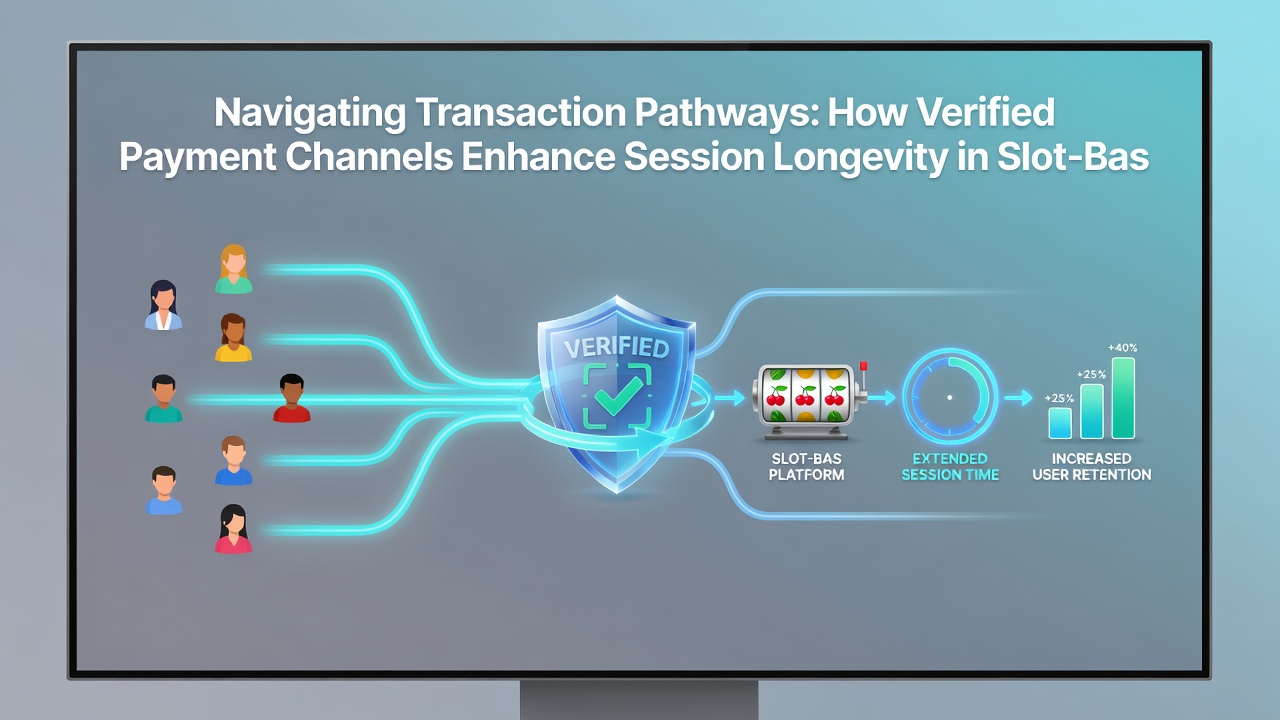
Platforms that prioritize verified channels demonstrate measurable advantages in retention metrics compared with those relying on mixed or legacy systems. A review of operational data across multiple jurisdictions highlighted that verified setups handled peak traffic periods with minimal queue times, whereas alternatives saw spikes in abandonment rates. Those who've examined transaction logs across regions note that European and North American operators adopting unified verification standards achieved consistent session extensions regardless of player location.
What's significant is the role of multi-factor authentication embedded within these channels, which operates in the background once initial setup completes. This setup prevents the repeated security prompts that fragment longer sessions, and data indicates players on such platforms complete more consecutive spins before any external interruption occurs. Industry organizations tracking payment trends have reported that the shift toward verified methods aligns with broader adoption of instant banking solutions that further support uninterrupted play.
Integration With Platform Features
Verified payment channels connect directly with loyalty tracking and reward systems, allowing session data to accumulate without breaks caused by payment failures. When a deposit processes instantly, associated bonuses or multipliers activate in real time, extending the effective value of each session. Research from academic institutions specializing in digital entertainment economics shows that this integration produces higher completion rates for multi-stage slot features that require sustained participation.
Platforms also use these channels to support cross-game transitions, where players move between different slot titles without re-verifying funds. The result appears in aggregated statistics that link verified pathways to increased total time spent across entire platform ecosystems rather than isolated sessions. Observers tracking August 2026 performance metrics noted particular gains in mobile environments where network variability already introduces potential disruptions.
Future Developments and Data Trends
Emerging standards for payment verification continue to evolve, with emphasis on biometric confirmations and blockchain-based ledgers that promise even faster reconciliation. Organizations such as the Responsible Gambling Council have published findings on how streamlined financial tools influence overall engagement patterns, and these align with observations from platform operators implementing the latest protocols. Another source, the International Association of Gaming Regulators, tracks regional variations in adoption rates that affect session metrics differently by market.
Continued refinement of these pathways suggests further gains in longevity as verification becomes more predictive and less reactive. Platform developers monitor real-time analytics to adjust channel priorities based on transaction volume, ensuring that high-activity periods maintain the same efficiency as quieter ones.
Conclusion
Verified payment channels reshape transaction pathways in slot-based platforms by minimizing interruptions and sustaining momentum from initial deposit through extended sequences of play. Evidence gathered across multiple studies and operational datasets confirms that these systems contribute directly to longer sessions through faster processing, persistent authentication, and seamless fund management. As platforms continue updates into late 2026 and beyond, the emphasis on verification standards remains central to maintaining reliable performance under varying player demands.